Welcome to Hunan Shengtong New Materials Technology Co., Ltd!

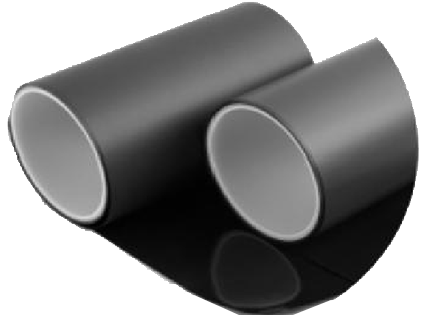
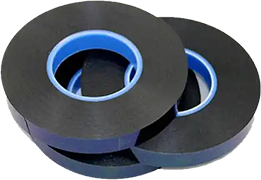
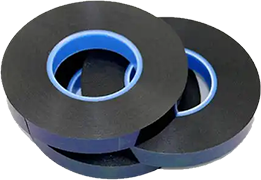
The alcohol-resistant series of black conductive fabrics are made by coating the surface of polyester fibers with metals such as copper and nickel, followed by treating a single surface with a black water-based graphene electromagnetic shielding coating. (1) The combination of copper and nickel provides excellent conductivity. (2) The inherent conductive properties of the graphene electromagnetic shielding coating can greatly enhance the conductivity of the composite material, achieving good shielding effectiveness in the frequency range from 10MHz to 3GHz. (3) The polymer coating is resistant to some solvents like alcohol, which can meet special process requirements. (4) The blackening treatment also has properties such as light shielding, oxidation resistance, corrosion resistance, and fingerprint resistance.

The alcohol-resistant series of black conductive fabrics are made by coating the surface of polyester fibers with metals such as copper and nickel, followed by treating a single surface with a black water-based graphene electromagnetic shielding coating. (1) The combination of copper and nickel provides excellent conductivity. (2) The inherent conductive properties of the graphene electromagnetic shielding coating can greatly enhance the conductivity of the composite material, achieving good shielding effectiveness in the frequency range from 10MHz to 3GHz. (3) The polymer coating is resistant to some solvents like alcohol, which can meet special process requirements. (4) The blackening treatment also has properties such as light shielding, oxidation resistance, corrosion resistance, and fingerprint resistance.

The 30μm insulating alcohol-resistant black conductive cloth is made by coating the surface of polyester fibers with metals such as copper and nickel, followed by treating one surface with a black water-based graphene electromagnetic shielding coating. The black insulating surface has an insulation resistance of >10¹⁰Ω and a thickness of 38±3μm. The insulating layer presents a low-matte blue-black color with a glossiness of 0.5 and stable color difference (Lab value: 26.45/-0.17/-1.12). It adopts a purely water-based and environmentally friendly coating (free of VOCs) and features excellent wear resistance and alcohol resistance. It supports direct die-cutting or composite adhesive layer processing, and is suitable for electromagnetic shielding, anti-static protection of precision electronic components, and industrial corrosion-resistant scenarios.

The 30-micron wear-resistant black conductive fabric is a high-performance composite material. It uses polyester fiber as the base material, with copper-nickel alloy coated on both sides to provide basic conductivity (surface resistance ≤ 0.05Ω), and a black water-based graphene coating applied on one side. Its core structure consists of a black wear-resistant surface (matte black) paired with a silver-gray conductive surface, offering double-sided conductive functionality. The actually measured thickness of the product is 33-34μm, featuring excellent conductive performance. Its matte black surface presents a low-gloss effect (glossiness 3.2-3.4gs) with stable color (color difference values 25.74/0.05/0.12), and special emphasis is placed on its wear-resistant property. This conductive fabric is manufactured using a pure water-based environmental protection coating process, ensuring no VOC residues and meeting safety and environmental protection requirements. The product has a width of 1100±20mm, which can be directly die-cut or laminated with adhesive tape for easy integration and application. It is suitable for electronic application scenarios such as electromagnetic shielding and grounding that require high conductivity, wear resistance and environmental protection.
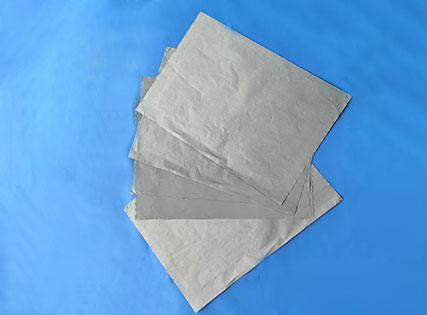
Antioxidant conductive cloth is a gray-based flexible shielding material with solvent penetration resistance. Adopting advanced formula technology, the surface of the conductive cloth undergoes special treatment, which can prevent surface penetration during adhesive application and fingerprint issues caused by sweat on hands during installation operations. It also solves the problems of easy surface oxidation and reduced conductive shielding effectiveness when the material works in high-temperature and high-humidity environments, while greatly improving the wear resistance of the material.

Single-sided black flame-retardant conductive cloth is an asymmetric functional composite material. It is based on polyester fiber and manufactured through a layered process: one side is a gray conductive layer (a copper-nickel metal coating with a surface resistance of less than 0.05Ω), which provides efficient current conduction and electromagnetic shielding; the other side is a black insulating layer (a flame-retardant graphene coating), which integrates the functions of light shielding, oxidation resistance, fingerprint resistance and basic flame retardancy (meeting industrial-grade fire protection standards). Its ultra-thin 40μm design ensures wear resistance and adhesion, while perfectly adapting to scenarios requiring single-point conduction and electrical isolation (such as grounding of precision circuit boards, linings of consumer electronics exterior parts, shielding layers of medical equipment, etc.). It solves the risk of short circuits and optimizes costs through zonal integration technology
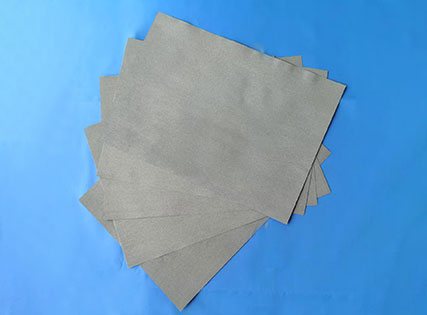
The flame-retardant series of double-sided gray conductive cloth is made by coating the surface of polyester fibers with metals such as copper and nickel, followed by treating both surfaces with a black water-based graphene electromagnetic shielding coating that has flame-retardant properties. (1) The combination of copper and nickel provides excellent electrical conductivity. (2) The inherent conductive property of the graphene electromagnetic shielding coating can greatly enhance the conductivity of the composite material, achieving good shielding effectiveness in the frequency range from 10MHz to 3GHz. (3) The use of organic polymer materials with relatively good comprehensive performance and their optimized combination improve the flame-retardant performance of the composition. (4) The treatment with the gray coating also has properties such as oxidation resistance, corrosion resistance, and fingerprint resistance.
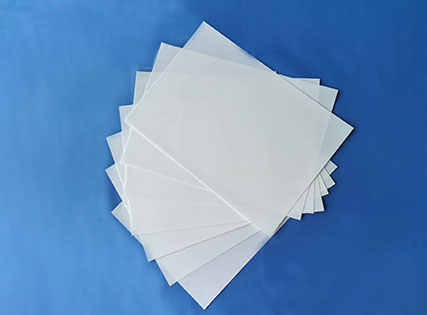
The flame-retardant series of double-sided white conductive cloth is made by coating the surface of polyester fibers with metals such as copper and nickel, followed by treating both surfaces with a black water-based graphene electromagnetic shielding coating with flame-retardant function. (1) The combination of copper and nickel provides excellent conductivity. (2) The inherent conductive property of the graphene electromagnetic shielding coating can greatly enhance the conductivity of the composite material, achieving good shielding effectiveness in the frequency range from 10MHz to 3GHz. (3) The use of organic polymer materials with relatively good comprehensive performance and their optimized combination improve the flame-retardant performance of the composition. (4) The white coating endows the material with a specific appearance color, meeting the requirements for vision, identification or cleanliness, while having such properties as oxidation resistance, corrosion resistance and fingerprint resistance.
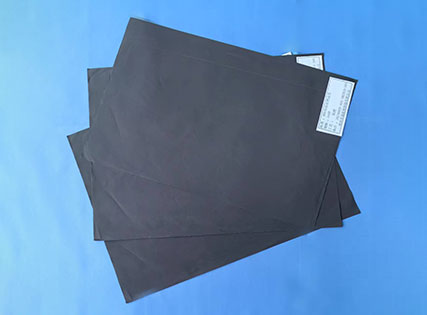
The flame-retardant series of double-sided black conductive cloth is made by coating the surface of polyester fibers with metals such as copper and nickel, followed by treating both surfaces with a black water-based graphene electromagnetic shielding coating that has flame-retardant properties. (1) The combination of copper and nickel provides excellent electrical conductivity. (2) The inherent conductive property of the graphene electromagnetic shielding coating can greatly enhance the conductivity of the composite material, achieving good shielding effectiveness in the frequency range from 10MHz to 3GHz. (3) The use of organic polymer materials with better comprehensive performance and their optimized combination improve the flame-retardant performance of the composition. (4) The blackening treatment also has properties such as light shielding, oxidation resistance, corrosion resistance, and fingerprint resistance.
Aluminum foil Mylar is a kind of composite shielding material, which is made by compounding high-purity aluminum foil with PET polyester film (also known as Mylar film) through coating conductive adhesive or hot-melt adhesive. Its structure is usually divided into single-sided, double-sided, hot-melt and winged (butterfly wing) types, with a thickness range of 0.06–0.15mm, and it has both the conductivity of metal and the insulation of polymer materials.
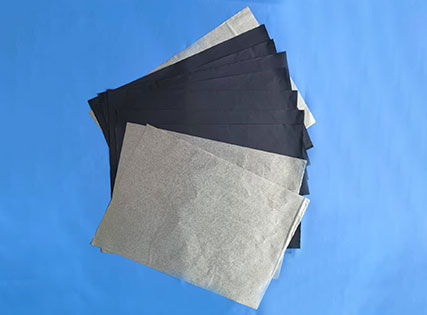
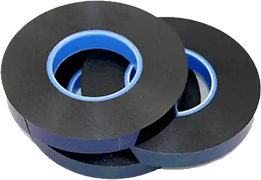
The alcohol-resistant insulating black conductive non-woven fabric is an ultra-thin functional material (which can be as thin as 17 microns) with a conductive non-woven fabric as its base material. It adopts a single-sided conductive design: one side is silver-gray and has conductivity; the other side is low-matte and neutral black, providing excellent insulating performance, and the surface of this black coating is wear-resistant and has good alcohol resistance. The product uses a purely water-based environmental protection coating, with no VOC residues, and features super softness and durability. It is easy to process (can be directly die-cut or glued) and can be personalized and customized. It is an ideal base material for manufacturing high-performance conductive tapes (such as conductive non-woven fabric tapes and conductive double-sided tapes), and is widely used in precision electronic devices that require electromagnetic shielding, grounding, insulation and resistance to cleaning.
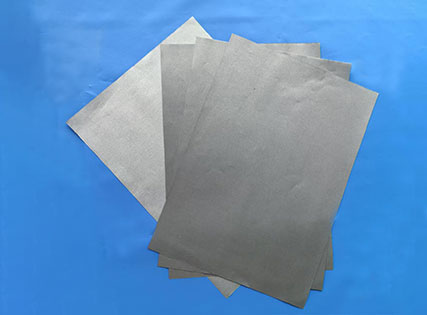
The single-sided gray insulating alcohol-resistant conductive cloth uses polyester fiber as the base material, with a copper-nickel metal layer coated on the surface to achieve conductivity, and a low-matte gray water-based graphene insulating coating applied on the outer layer. The insulation surface resistance is greater than 10¹⁰Ω, and it has excellent wear resistance and alcohol resistance. It adopts a VOC-free pure water-based environmental protection process. Its gray coating has stable color difference, and the thickness and performance can be customized. It supports direct die-cutting or composite processing, and is specially used in electromagnetic shielding, anti-static and industrial corrosion-resistant scenarios of precision electronic components that require a specific gray appearance.
About Us- Products- Cases- Industry- Contact Us- news and information- Equipment- Test- Intellectual- Honor- Inspection report- financing demand

Contact Number15874186240
 Zone C, Agricultural Science and Technology Park, Qu Yuan Management District, Yueyang City, Hunan Province

Official Tiktok


Copyright ©2019-2023.All Rights Reserved.Hunan ICP No. 2022025160-1
Hunan Shengtong New Material Technology Co., Ltd. All rights reservedTechnical Support: Shenyang Cloud Technology Co., Ltd


 中文版
中文版 English

 financing demand